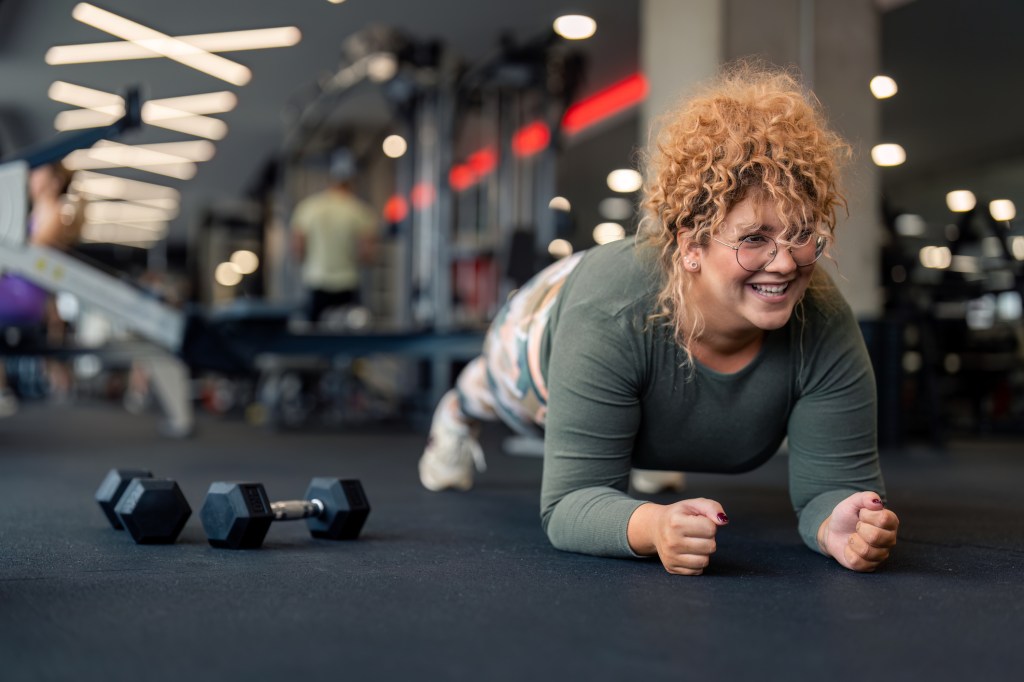
Often times when starting a new fitness journey, we approach it with a multitude of motivations: “I want to be skinny,” “I want to get bigger muscles,” “I want to look like this person,” “I want to weigh this much.” And there is a lot of content out there to support that mindset. And while those motivations are certainly not abnormal or even bad, they can sometimes be unhelpful. That is because when we encounter road bumps (and every one does), those set-backs now seem like mountains getting in the way of our goals.
Those limiting motivations can also cause us to get in the way of ourselves. If we are occupied on trying to look a certain way, then we often neglect the normal differences between body types–we are equating our own potential with someone else’s. When we use someone else’s success to measure our own, we are setting ourselves up for failure.
So, what are some alternative motivations that can drive us to be our best selves? I have found that focusing on what we can and want to do helps us so much more than focusing on how we look. For example, is there a sport you would love to play recreationally, or even more seriously? Exercising so you are in proper shape to play that sport is an excellent metric for your fitness progress. If the sport is tennis, you can train to improve your mobility, agility, and strength. If the sport is soccer, a fitness program emphasizing your cardiovascular endurance and leg strength will go a long way.
Here are some other examples:
- Capable of comfortably playing/going on walks with grandchildren for 30 minutes at a time.
- Being able to go on a weekend hike with family without foot, knee, or hip pain cutting the hike short.
- Having the mobility to vacuum and mop the house in a safe manner.
There are many more examples of alternate motivators. The main takeaway is that when we approach fitness with a mindset of improving how we function as individuals, our motivation switches from extrinsic to intrinsic. Simply put, extrinsic motivation is when we rely on outside factors for inspiration, and intrinsic motivation is when we do something because we have a personal desire to perform that action. If the only reason I signed up to run a race was because my friend paid me $500, I would be acting on extrinsic motivation. If I had the genuine desire to run the race because I wanted to challenge myself physically, I would be acting on intrinsic motivation.
And there are benefits to acting based on intrinsic motivation. Intrinsic motivation is generally agreed upon to have more of a lasting impact on behavioral change than extrinsic motivation. That is because outside circumstances change. A new trend of body type will come and go, we can get injured, or even more likely the feeling of fulfilment that comes when we meet our goal is short-lived. In other words, intrinsic motivation is more empowering than extrinsic motivation: we set goals for ourselves on our terms, and prove our past self wrong when we overcome a negative belief about our body. We feel empowered and even more inspired to tackle the next goal!
Whether you are wanting to change your exercise regiment, start a new one, or just practice having an intrinsic motivation based mindset, below are some practical steps to start:
- List 3-5 activities or time-based physical goals you would like to accomplish (an example of the latter could be your ability to stand in the kitchen without leg pain during long holiday meal-preps).
- Number the activities in order of priority, with 1 as your highest priority goal. This will be your first goal you set to accomplish.
- Write out how many weeks of training you think this goal will require and the types of exercise needed to make your goal a reality. (This is where help from a trainer can come in handy. We can walk you through the details and helpful work-outs that can make your goal a reality.)
Some very practical ways to build your fitness can be walking 30 minutes a day, doing a 10 minute core workout 4 times a week, or even a simple walk-to-run routine. Evaluate your current fitness level now by writing down how much physical activity you get in a day and compare that to your goal. If your #1 goal is walking 5 miles in a day, then walking 30 minutes a day for 1 week is a great start! Another great addition to your routine is resistance training. Resistance (or weight) training has been proven to improve bone density and increase joint stability, among other things.
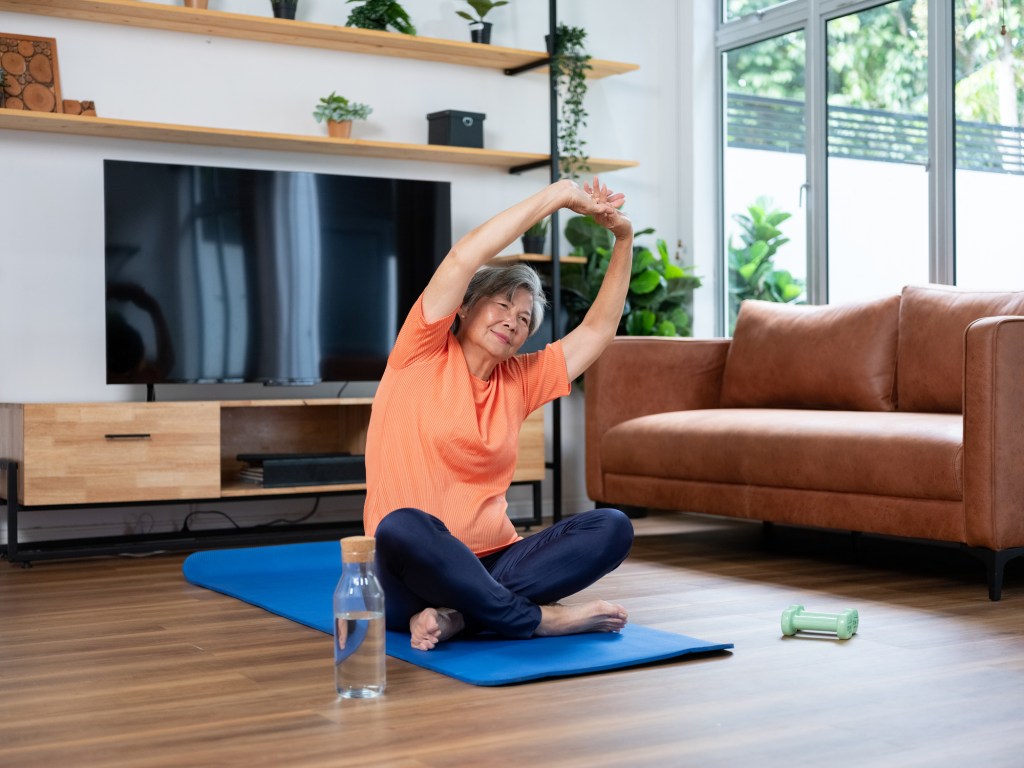
Finally, investing in some workout gear is a necessity if you do not have a gym membership. While you can certainly perform body weight exercises, having a pair of dumbbells and/or resistance bands allows you to adjust the weight when necessary. Even one pair of dumbbells and a yoga mat will ensure you possess the needed equipment for most beginner workouts. If you are looking to build-up your home exercise space, below are some products that I frequently use for home workouts:
- This Thick Gaiam Yoga Mat is easier on your hands and wrists if you have had pain in the past.
- These dumbbells are high quality for the price and can up-the-level of any home workout.
- Resistance bands are a great alternative to dumbbell and weight training because they put less pressure on your hands and wrists.
*As an Amazon Associate, I earn commission from qualifying purchases.




 Functionally Fit
Leave a comment